Certified Remodeling Services
Best Renovation Contractor: Modernize Your Home With Expert Design and Quality Craftsmanship
Home remodeling can enhance significantly both aesthetics and functionality. A top-rated renovation specialist plays an important role in this transformation. Their proficiency combines creative planning with skilled workmanship, ensuring that each project meets the homeowner's vision. However, not all contractors are identical. Understanding the key qualities and processes involved is essential for a favorable result. What should property owners evaluate when embarking on this endeavor?
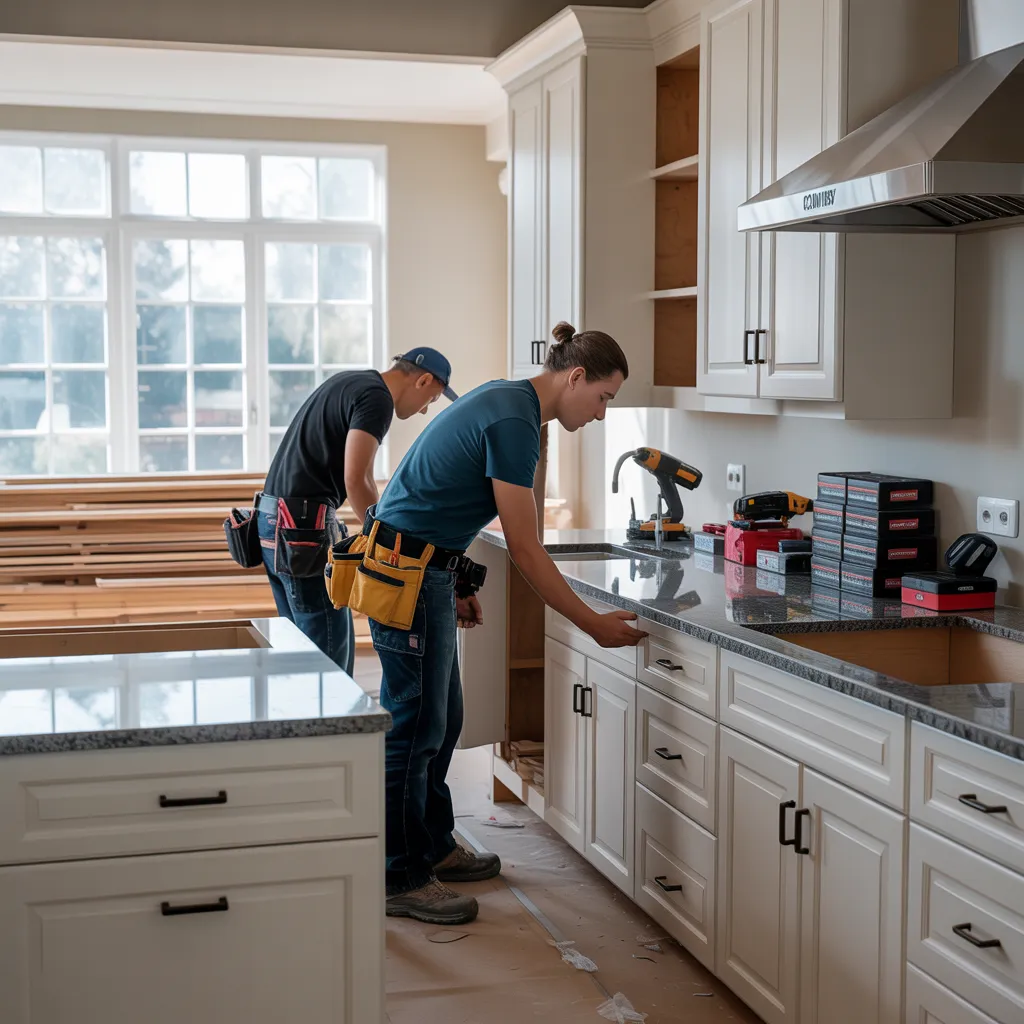
The Criticality of Working with a Top-Rated Remodeling Contractor
When commencing a renovation endeavor, the decision to hire a superior expert can markedly impact the conclusion. A proficient contractor commands the skill and experience necessary to navigate the difficulties of home renovations. They can furnish precious counsel into design choices, components, and timelines, confirming that the project aligns with the homeowner's perspective and financial resources.
Well-reviewed contractors typically feature glowing testimonials and an impressive portfolio, presenting their previous work and client satisfaction. This reputation can build confidence in residents, easing concerns connected to major renovations. In addition, a reputable contractor typically maintains solid partnerships with suppliers and subcontractors, which can provide more competitive rates and quality of begin now materials.
Ultimately, hiring a top-rated renovation expert not only improves the potential for a prosperous project but also promotes a teamwork dynamic where ideas and inspiration thrive, resulting in a transformed home that reflects the homeowner's goals.
Critical Qualities to Examine in a Home Improvement Contractor
Picking the perfect renovation specialist extends beyond just examining reviews and portfolios; it necessitates recognizing specific qualities that guarantee a positive working relationship. To start, a well-regarded professional should demonstrate strong communication skills, guaranteeing that they can clearly articulate ideas and listen to client requirements. Next, expertise in the specific type of remodeling project necessary is crucial, as it indicates a established history of excellent craftsmanship. Additionally, a good contractor should be licensed and insured, offering assurance concerning liability and safety. Reliability is another critical quality; a contractor must adhere to schedules and costs, minimizing unforeseen setbacks. Finally, a strong collection showcasing diverse completed projects reflects an ability to accommodate different aesthetics and client desires. By concentrating on these attributes, homeowners can make informed decisions when hiring a remodeling contractor, eventually leading to a successful home transformation.
Popular Renovation Ideas to Explore
Homeowners often grapple with an vast array of choices when thinking about remodeling projects, each presenting unique benefits and enhancements. Among the most coveted projects stand kitchen renovations, which can markedly boost functionality and aesthetic appeal. Refurbishing countertops, cabinets, and appliances not only modernizes the space but also adds monetary value to the home.
Bathroom renovations are another popular choice, offering a haven for unwinding and self-care. Homeowners often select modern fixtures, sophisticated tilework, and improved layouts to boost coziness.
Moreover, basement remodeling has grown in popularity as a method to expand living space, developing flexible spaces for entertainment purposes or home offices.
Exterior renovations, such as deck installations or landscaping, also remain in need, allowing homeowners to boost their outdoor delight. Each of these works not only transforms the living environment but can also produce a noteworthy return on investment.
The Design Methodology: Collaborating With Your Contractor
The planning stage in remodeling requires a critical collaboration between the homeowner and the contractor. During the opening consultation, thoughts and aspirations are exchanged, creating the groundwork for the project. Subsequent to this, design modifications happen, facilitating adjustments and in the end leading to sign-off before building commences.
Beginning Consultation Appointment
How does an preliminary consultation set the stage for a successful remodel? This pivotal first step gives homeowners and contractors to establish a shared grasp of the project's vision and goals. During this discussion, clients lay out their budget, requirements, and ideas, while contractors assess the space and provide insights on feasibility. Strong dialogue is key, as it fosters trust and collaboration between both parties. Contractors may also exhibit galleries of previous work, delivering guidance and displaying their expertise. By addressing any concerns and exploring timelines, the initial consultation builds the foundation for a thriving partnership. Finally, this interaction is important for synchronizing expectations and ensuring that the remodeling project launches on a strong footing.
Design Cycling and Confirmation
Throughout the design process, partnership between homeowners and contractors becomes vital for refining the project vision. This phase stresses clear communication, allowing both parties to exchange ideas, preferences, and concerns. Contractors deliver initial design concepts based on the homeowner's input, which encourages iterative revisions. Each design iteration acts as a step toward the final layout, incorporating feedback and making necessary adjustments. Homeowners should feel confident to express their thoughts, ensuring the design reflects their aspirations. Approval of the final design represents a significant milestone, establishing the project blueprint. This joint effort nurtures a sense of ownership and satisfaction, paving the way for successful implementation and ultimately creating the home into a personalized living space.
Comprehending the Expenses of Home Remodeling
Knowing the financial obligations tied to home renovation is crucial for any homeowner planning a project. Budgeting effectively requires not only accounting for the main expenses but also recognizing hidden costs that may emerge during the renovation process. Knowledge of these financial factors can help guarantee a more streamlined and more productive remodeling experience.
Establishing a spending plan for Your project
Budgeting for a home renovation project requires careful consideration of various costs involved. Homeowners should begin by establishing the scope of the project, which will greatly impact the overall budget. Key expenses generally encompass materials, labor, permits, and design fees. It is important to investigate and gather quotes from several contractors to create a realistic estimate. Furthermore, homeowners should consider whether they will undertake any of the work themselves, which can reduce labor costs. Establishing a contingency fund is also wise, as it allows for unforeseen expenses that may occur during the remodeling process. By carefully assessing these factors, homeowners can create a comprehensive budget that aligns with their budget constraints and project goals.
Unexpected Expenditures to Be Aware Of
While property owners often concentrate on the significant costs of a renovation undertaking, they may overlook numerous concealed expenses that can significantly impact the total expenditure. These expenses can include permits and inspections, which differ based on area and renovation scope. Unexpected building problems, such as mold or outdated wiring, may also occur throughout remodeling work, necessitating additional funds. Property owners should also consider the expenses for interim accommodations if the project demands substantial labor. In addition, design changes throughout the project can result in higher costs, as can the choice of premium finishes. Ultimately, renovation aftermath expenses, such as fresh furniture or landscaping, can additionally burden the finances. Awareness of these hidden expenses is essential for sound budget management.
Strategies for a Accomplished Home Renovation Journey
A prosperous home renovation project is based on meticulous planning and effective communication. Homeowners should start by establishing a practical budget and timeline, factoring in potential delays and unexpected costs. Selecting a reputable remodeling contractor is essential; they bring knowledge and can offer insights that save time and money.
Property owners should also develop a detailed design strategy, including materials and finishes, to guarantee a cohesive vision. Frequent meetings with the contractor help maintain alignment on progress and resolve any concerns quickly. Communication should remain open and proactive, fostering a collaborative atmosphere.
Additionally, it's prudent to get prepared for interruptions by establishing a temporary living space, especially for bigger projects. Ultimately, persistence is key; renovations can be demanding, but a constructive mindset will contribute to a seamless process and satisfaction with the final outcome. By following these tips, homeowners can improve their renovation experience and achieve their desired results.
Often Posed Questions
What Timeframe is Needed for a Typical Remodeling Project to be Completed?
A conventional remodeling project can take anywhere from a few weeks to several months to finish. Elements determining the timeframe include project size, complexity, and the efficiency of the contractor and trades involved.
What Styles of Assurances Do Remodeling Contractors Present?
Remodeling contractors typically offer warranties on workmanship, supplies, and appliances. These warranties can extend from one year to a lifetime, based on the contractor and specific project details, giving peace of mind to homeowners regarding quality and durability.
How Do I Confirm a Contractor's Permit and Insurance?
To verify a contractor's license and insurance, one can review state licensing boards and digital records. Additionally, asking for copies of insurance documents directly from the contractor confirms coverage is up-to-date and fulfills required standards.
What ought to I Do if I'm Dissatisfied With the Work?
If discontent emerges, the homeowner should first express issues directly with the contractor. Document issues, examine the agreement, and seek resolution amicably. If unresolved, explore mediation options or contacting local regulatory authorities for further assistance.
Are There Financing Options Available for Home Remodeling Projects?
Many remodeling contractors provide multiple financing options, such as personal credit, home equity credit options, and payment plans. Homeowners need to review these options to find a answer that matches their budget and project needs successfully.